This magnificent antique Persian Manchester Wool Kashan carpet is an exceptional example of the finest workshop production from the golden age of Kashan weaving. Dating to approximately 1910, it was woven using luxurious imported Manchester-spun Merino wool, prized for its remarkable softness, silky sheen, and exceptional durability.
Construction: Hand-knotted, fine kork wool pile on a cotton foundation.
This elegant antique Persian Dabir Kashan carpet is an excellent example of the refined workshop production associated with the celebrated Dabir atelier of Kashan. Woven during the early 20th century, it displays the exceptional drawing, balanced proportions, and fine knot density that distinguish the finest Kashan carpets of this period.
Finest Manchester wool on a cotton foundation with natural dyes
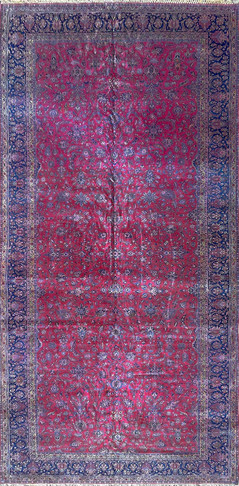
This exceptional Antique Persian Kashan Carpet, woven circa 1920, represents one of the finest productions of the renowned Kashan weaving workshops. Woven with luxurious imported Manchester wool, prized for its extraordinary softness, luster, and durability, the carpet reflects the highest standards of Persian craftsmanship during the early twentieth century.
The carpet features an elegant allover floral design without a dominant central medallion, creating a balanced and harmonious composition.
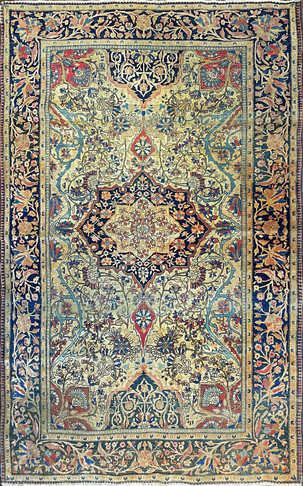
This exceptional antique Persian Isfahan rug, woven circa 1880, is a rare and highly decorative example of nineteenth-century Persian artistry. Distinguished by its remarkably fine weave, elegant proportions, and uncommon design, it represents the refined craftsmanship for which early Isfahan carpets are admired.
This exceptional antique Persian Mohtasham Kashan, woven circa 1870, is a beautiful example from the legendary Mohtasham workshop, whose carpets are regarded among the finest and most artistic Persian rugs produced during the nineteenth century.
This beautiful antique Persian Lilihan rug, woven circa 1920, is a fine example of the distinctive artistry and durable craftsmanship that have made Lilihan rugs highly regarded among collectors and decorators. Combining a bold decorative presence with excellent weaving quality, this carpet reflects the refined village traditions of the Sarouk weaving district in western Persia.
The rug features a striking coral-salmon field adorned with a beautifully balanced Tree of Life composition.
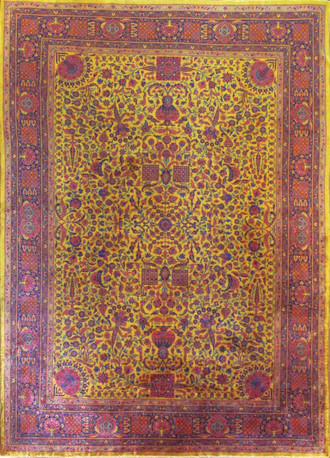
An exceptional antique Persian Manchester Wool Kashan Vase Rug, handwoven circa 1920, representing the finest artistic traditions of Kashan during the early twentieth century. This elegant rug is woven with the highly prized Manchester wool imported from England, renowned for its extraordinary softness, silky luster, and durability.
An exquisite antique Persian Kashan rug, handwoven around 1920 using the highly prized Manchester wool imported from England. During the late 19th and early 20th centuries, the finest Kashan workshops selected Manchester wool for its exceptional softness, strength, and luxurious sheen, producing some of the most elegant Persian rugs ever woven.
This beautiful example features a luminous rose-pink field centered by an elegant sky-blue floral medallion surrounded by finely drawn arabesques, palmettes, and delicate flowering vines.